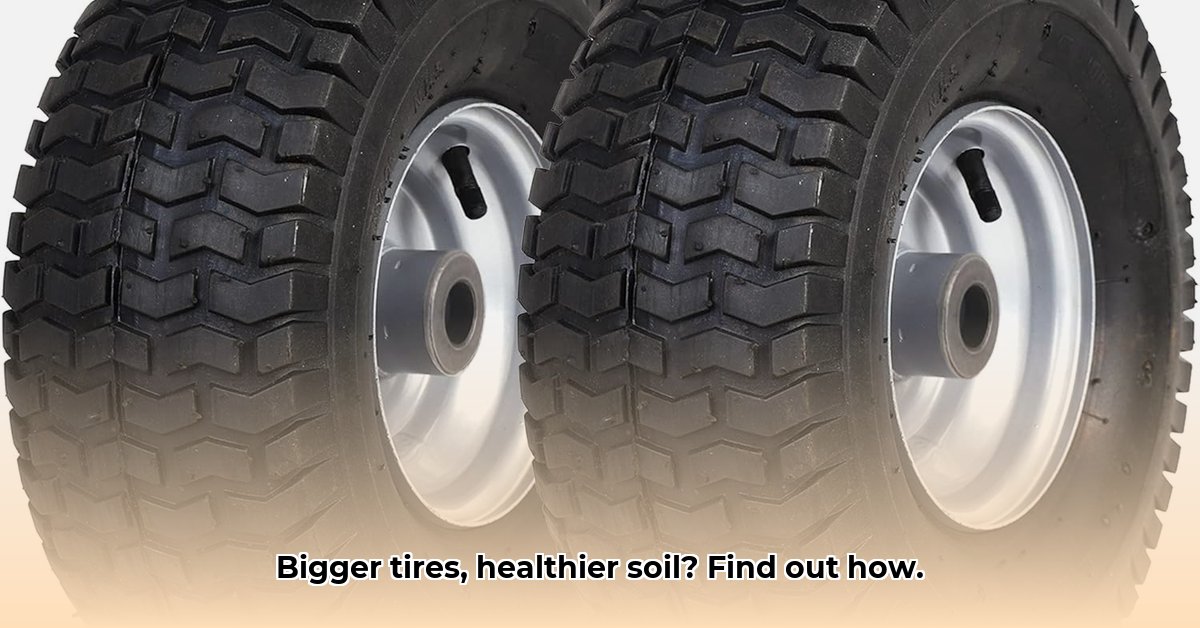
Understanding the 15x6 Tractor Tire and its Benefits
The 15x6 tractor tire isn't just another tire; it's a key component in sustainable agriculture. Its specialized design contributes significantly to improved soil health and farm efficiency. But how? The answer lies in its impact on soil compaction. Compacted soil hinders water infiltration, restricts root growth, and ultimately reduces crop yields. The 15x6 tire, often featuring a wider footprint or specialized tread patterns, distributes the tractor's weight more evenly, reducing pressure on the soil. This minimizes compaction, leading to:
- Enhanced Water Retention: Healthier soil absorbs and retains more water, reducing the need for supplemental irrigation and saving you money on water bills. Isn't that a great way to improve your bottom line?
- Improved Root Growth: Reduced compaction allows roots to penetrate deeper, accessing more nutrients and moisture. This results in healthier, more resilient plants. Have you ever noticed the difference between plants grown in loose soil versus compacted soil?
- Increased Crop Yields: Healthier plants and improved water retention translate to higher and more consistent crop yields. Larger harvests directly contribute to a more profitable and sustainable farm. What's the return on investment for such a simple change?
For more information on BKT tractor tires, visit this helpful resource.
"Reduced soil compaction from wider tires like the 15x6 offers significant benefits to long-term soil health and water retention," says Dr. Anya Sharma, Soil Scientist at the University of California, Davis. "This translates into better yields and reduced need for irrigation."
Selecting the Right 15x6 Tractor Tire
Choosing the optimal 15x6 tire depends on several crucial factors:
- Soil Type: Sandy soils benefit from tires with deep treads for enhanced grip. Clay soils, prone to compaction, are best served by wider tires distributing weight effectively. Loamy soils usually perform well with a balanced tread design. A good rule of thumb is to consult with a tire specialist experienced in your region.
- Farming Practices: No-till farming requires tires that minimize soil disturbance. Consider your farming techniques and how they impact soil structure.
- Climate: Wet conditions necessitate tires with superior traction to prevent slippage and further compaction.
Installation and Maintenance: A Step-by-Step Guide
Proper installation and regular maintenance are essential for maximizing tire lifespan and minimizing environmental impact.
Installation:
- Thoroughly clean the wheel rim. Check for any damage which can have significant consequences down the line.
- Carefully mount the tire onto the rim using appropriate tools. Seek professional help if needed. A poorly fitted tire is dangerous and can reduce its lifespan.
- Ensure proper wheel balancing to prevent uneven wear and a smoother ride.
Maintenance:
- Regularly check tire pressure according to the manufacturer's recommendations. Under-inflation causes excessive compaction and increased fuel consumption, while over-inflation can lead to punctures. Maintaining optimal inflation is crucial.
- Inspect tires frequently for cuts, punctures, or excessive wear. Addressing small issues promptly prevents more substantial damage and costly repairs.
- Clean tires to remove mud and debris to extend their lifespan. Regular cleaning is a small step with big results for increased tire life.
Extending Tire Lifespan: Eco-Friendly Practices
Maximizing the longevity of your 15x6 tires reduces waste and contributes to sustainability. Here's how:
- Regular Rotation: Rotate your tires periodically to distribute wear evenly. Rotation is a small change with a big impact.
- Avoid Overloading: Overloading your tractor puts excessive stress on tires, drastically reducing their lifespan. Avoid overloading your tractor to maximize tire life.
- Proper Storage: Store tires properly when not in use, protecting them from UV damage and other environmental factors.
Environmentally Responsible Disposal: The Final Step
When your 15x6 tires reach the end of their useful life, discard them responsibly. Many tire retailers offer recycling programs. Check with your local waste management authority for environmentally sound disposal methods in your area.
Choosing and maintaining 15x6 tractor tires is a significant step toward sustainable farming practices. It's a simple yet effective approach to improving soil health, increasing crop yields, and reducing your environmental footprint. Remember, every decision you make on your farm impacts the planet and your bottom line.